
Decoding Mandala Symbolism in Art

When I first encountered a mandala, I was instantly drawn to its intricate patterns and vibrant colors. There was something deeply calming and mysterious about the way the shapes spiraled and radiated from the center. Have you ever felt that magnetic pull toward a mandala? It’s as if these designs whisper secrets about the universe and our place within it. Today, I want to take you on a gentle journey to explore the symbolic meaning of mandalas in art, inviting you to uncover the layers of meaning and inspiration they hold.
The Symbolic Meaning of Mandalas: A Window to the Soul
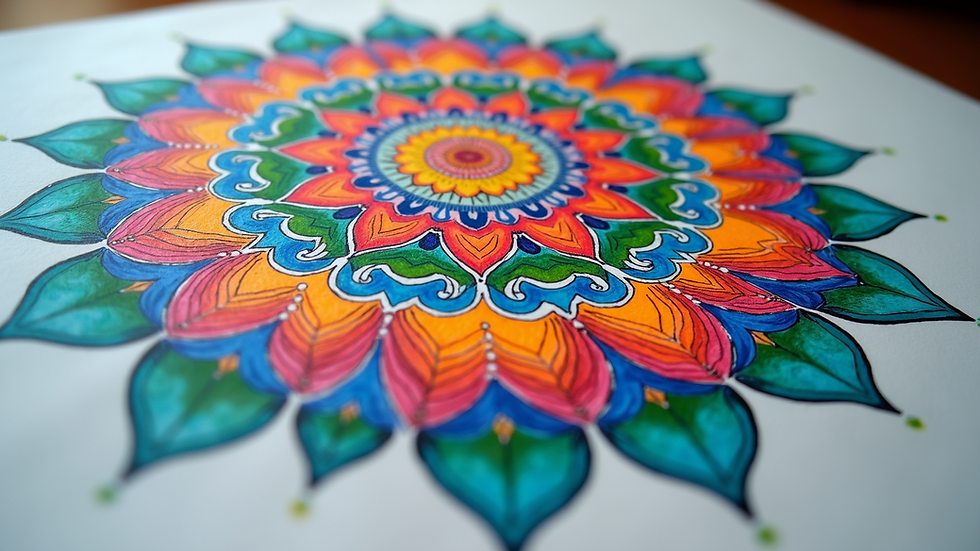
Mandalas are much more than beautiful designs. They are ancient symbols that have been used across cultures for thousands of years. At their core, mandalas represent wholeness, unity, and harmony. Imagine a circle that contains everything - the cosmos, the self, and the connection between the two. This circle is often divided into symmetrical patterns that guide your eye inward, encouraging reflection and meditation.
The symbolic meaning of mandalas can vary depending on cultural context, but some themes remain universal:
Circle as a symbol of eternity: No beginning, no end.
Center point: The source of energy, the self, or the divine.
Radial balance: Harmony and balance in life.
Geometric shapes: Each shape carries its own spiritual significance.
For example, in Hindu and Buddhist traditions, mandalas are used as spiritual tools to aid meditation and enlightenment. They serve as maps of the cosmos and the mind, helping practitioners focus and transcend everyday distractions. In Native American cultures, mandala-like designs appear in sand paintings and dreamcatchers, symbolizing protection and healing.
By engaging with mandalas, you invite a sense of calm and centeredness. You might find yourself naturally slowing down, breathing deeper, and feeling more connected to your inner world.

How Mandalas Inspire Creativity and Spiritual Growth
Have you ever tried creating your own mandala? The process can be incredibly nurturing. When you draw or color a mandala, you enter a meditative state where your mind quiets and your intuition speaks louder. This creative act becomes a form of self-expression and spiritual exploration.
Here are some ways mandalas can inspire your growth:
Mindfulness practice: Focusing on the repetitive patterns helps you stay present.
Emotional release: Colors and shapes can express feelings that words cannot.
Self-discovery: The center of the mandala invites you to explore your core self.
Manifestation tool: Setting intentions while creating a mandala can help bring your desires to life.
If you’re new to mandalas, start simple. Use a compass or stencil to create a circle, then fill it with shapes and colors that resonate with you. Don’t worry about perfection - the beauty lies in your unique expression. Over time, you might notice patterns emerging that reflect your inner journey.
Exploring Mandala Symbolism in Different Cultures
Mandalas have traveled through time and space, adapting to various cultural landscapes. Each culture adds its own layer of meaning, enriching the tapestry of mandala symbolism.
Tibetan Buddhism: Mandalas are intricate sand paintings created as sacred rituals. Once completed, they are destroyed to symbolize impermanence.
Christianity: Rose windows in cathedrals resemble mandalas, symbolizing divine light and the universe.
Aztec and Mayan cultures: Circular calendars and sun stones reflect cosmic cycles and time.
Jungian Psychology: Carl Jung saw mandalas as representations of the self and tools for psychological healing.
Understanding these diverse perspectives can deepen your appreciation and connection to mandalas. They remind us that despite our differences, we share a universal longing for balance, meaning, and connection.
Practical Ways to Incorporate Mandalas into Your Daily Life
You might wonder, how can I bring the magic of mandalas into my everyday routine? Here are some gentle, practical ideas to help you weave mandalas into your life:
Meditation focus: Use a mandala image as a visual anchor during meditation.
Journaling prompts: Reflect on the shapes and colors you are drawn to and what they might symbolize for you.
Creative expression: Dedicate time to drawing or coloring mandalas as a form of self-care.
Home decor: Place mandala art in your living space to invite calm and inspiration.
Mindful walks: Notice circular patterns in nature, like flowers or ripples in water, and reflect on their symbolism.
By making mandalas a part of your daily rhythm, you nurture your spiritual growth and creative potential. It’s a gentle reminder that beauty and meaning are always within reach.
Embracing Mandalas as a Path to Inner Wisdom
As you explore mandalas, you may find yourself drawn to the deeper mysteries they hold. They are not just art - they are mirrors reflecting your inner landscape. Each line and curve invites you to slow down, listen, and connect with your intuition.
If you want to dive deeper into the transformative power of mandalas, I encourage you to explore resources like mandala symbolism. Here, you can find courses and retreats designed to help you unlock your artistic potential and spiritual wisdom.
Remember, your journey with mandalas is uniquely yours. There is no right or wrong way to engage with them. Whether you create, meditate, or simply admire, mandalas offer a sacred space for healing, growth, and self-discovery.
May your path be filled with light, color, and the gentle unfolding of your inner world.


Comments